Blog
Tai Chi for Seniors

Tai Chi for Seniors: Safe Exercises, Health Benefits & Easy Routines

12 min read
19 Feb, 2026
Reviewed by
Tai Chi app Team
This plan has been carefully reviewed and verified by our team to ensure it meets our quality standards. We check for clarity, structure, and consistency so you can follow each step with confidence.
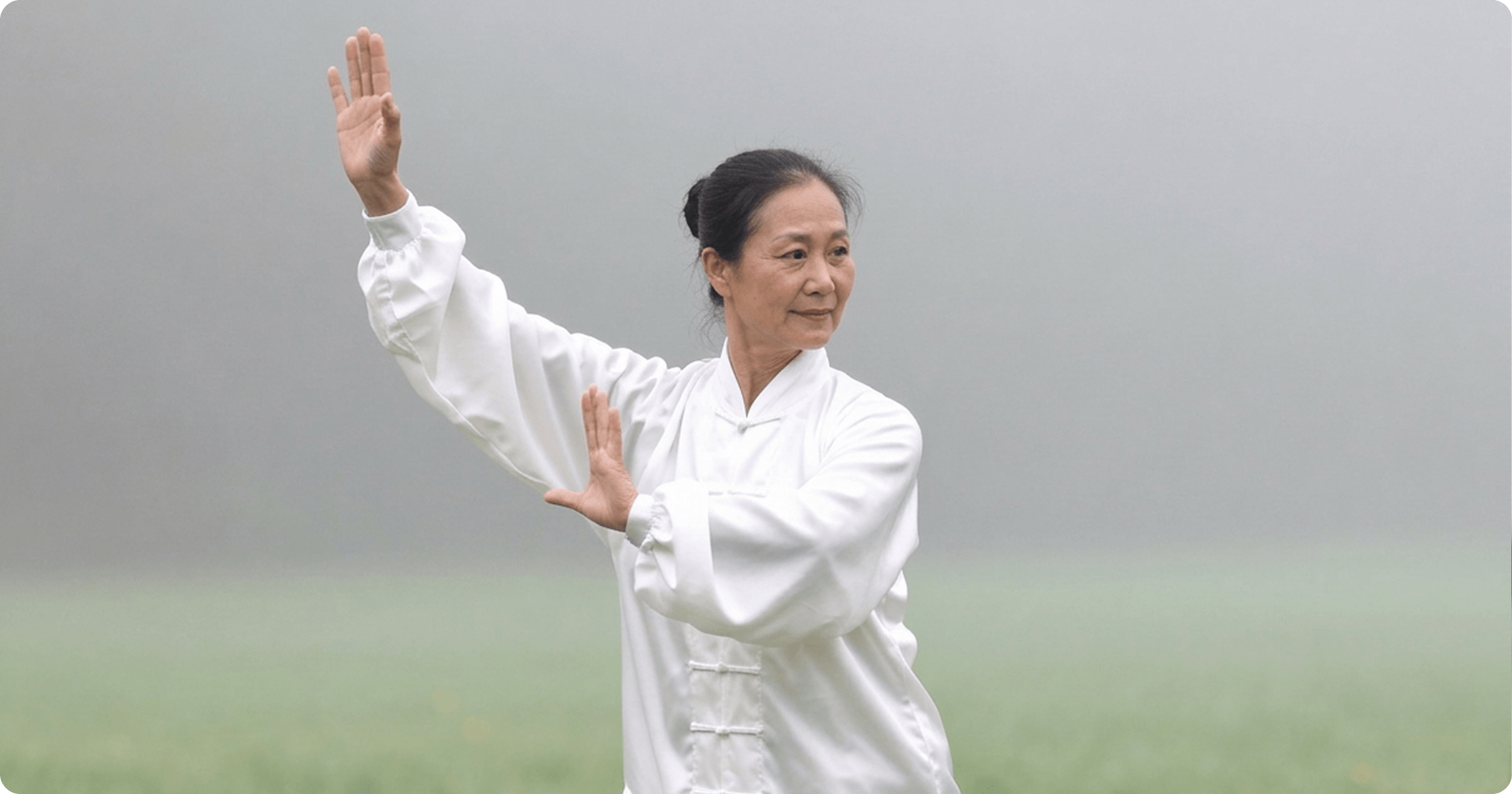
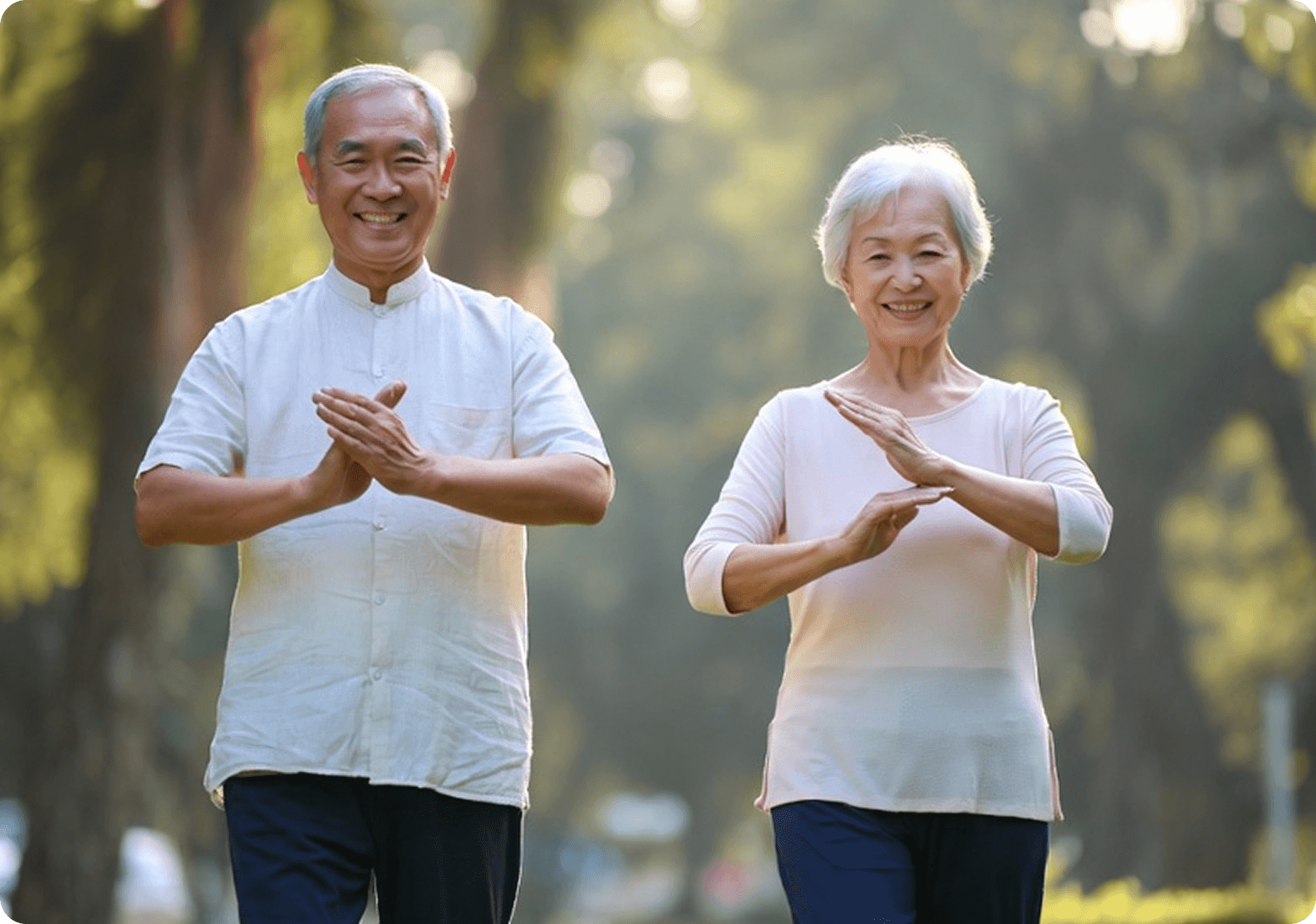
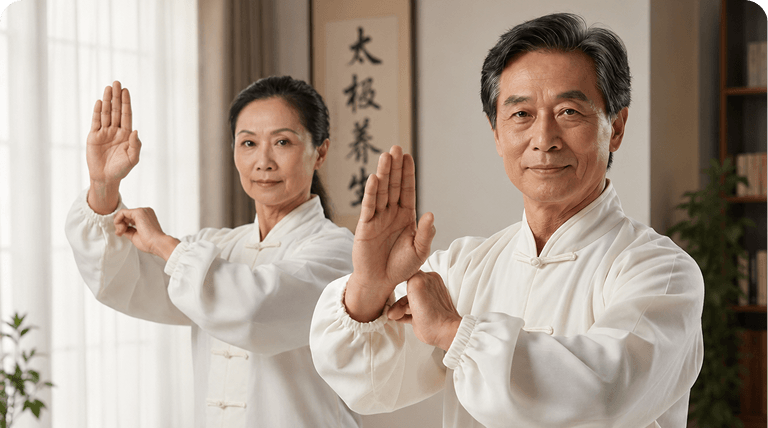
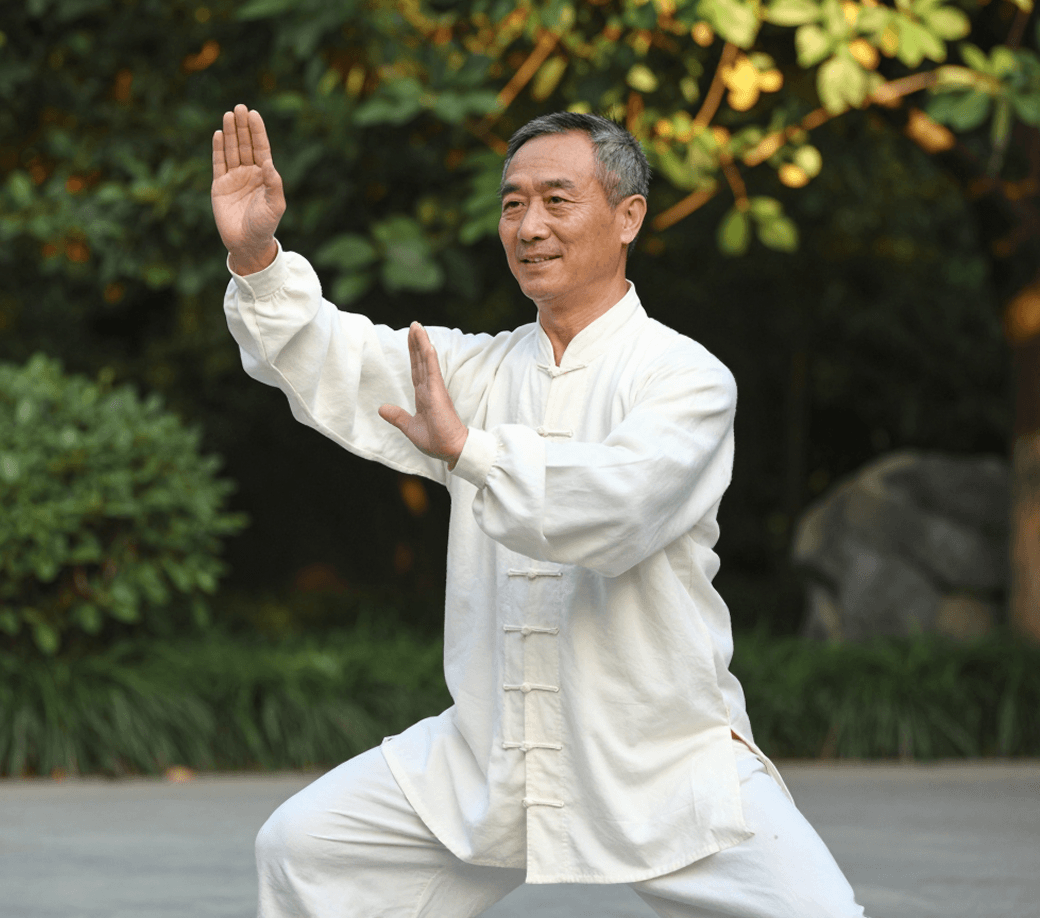
Tai Chi is a simple-looking practice that feels surprisingly powerful once you try it. Its slow movements, steady breathing, and gentle flow make it especially suitable for seniors who want to stay active without putting stress on the body. Many people appreciate that it can be practiced at home, in a park, or even in a small room without any equipment. It fits perfectly into an active lifestyle, especially if you already train regularly, do sports, or simply want to maintain a strong, balanced body as you get older.

In this guide, you’ll learn why Tai Chi is so beneficial for seniors and which simple routines can help improve everyday mobility and overall well-being.

What Is Tai Chi and Why Is It Good for Seniors?

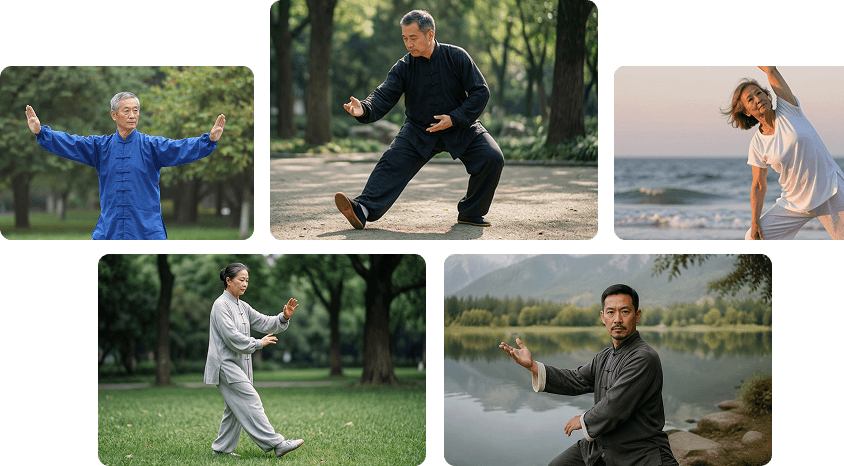
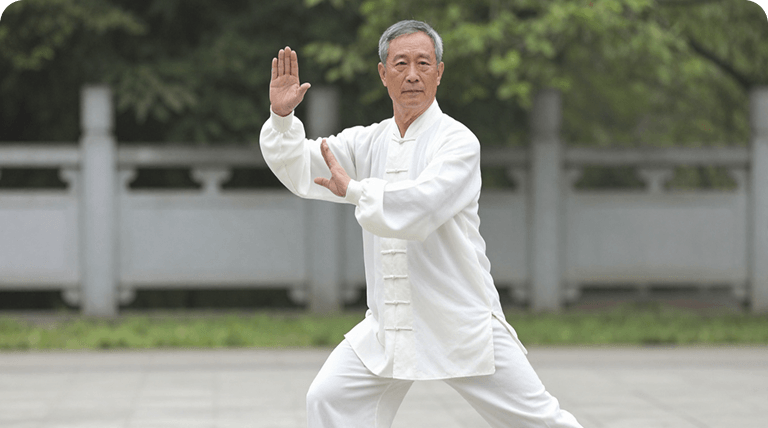
Tai Chi is a movement practice based on slow, controlled transitions, breathing, and full-body coordination. While it comes from traditional martial arts, today it is widely used as a training method for mobility, balance, and recovery.
For active seniors, Tai Chi works as a complement to more intense physical activity. It helps improve movement efficiency, posture control, and body awareness. Instead of pushing the body harder, it teaches you how to move better with less tension and more precision. This makes it especially valuable for maintaining long-term physical performance and preventing overload injuries.

Health Benefits of Tai Chi for Seniors

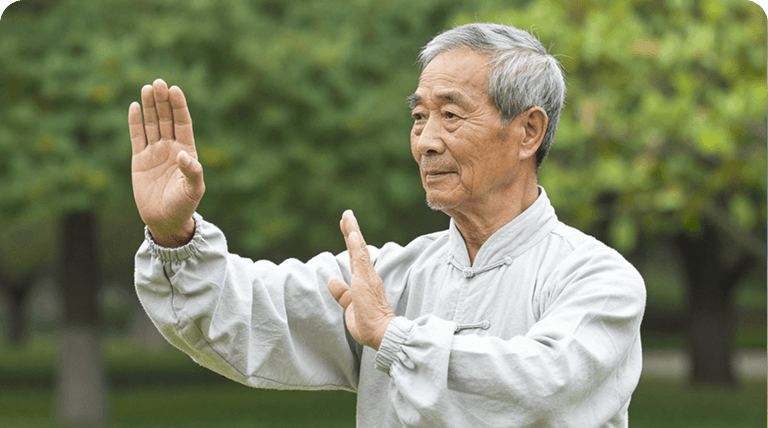
Tai Chi is a highly effective tool for active seniors who want to maintain performance, control, and long-term physical resilience. It supports both the body and mind in a balanced way, helping improve movement quality without adding unnecessary load on joints or the nervous system.

Improves Balance and Reduces Risk of Falls

One of the biggest benefits of tai chi for balance is improved stability and awareness of how your body moves. Slow weight shifts and controlled stepping help strengthen coordination, posture, and reaction during movement. For active seniors, this can improve performance in activities like running, gym workouts, hiking, or sports where staying balanced and moving smoothly is important.

Supports Joint Health and Flexibility

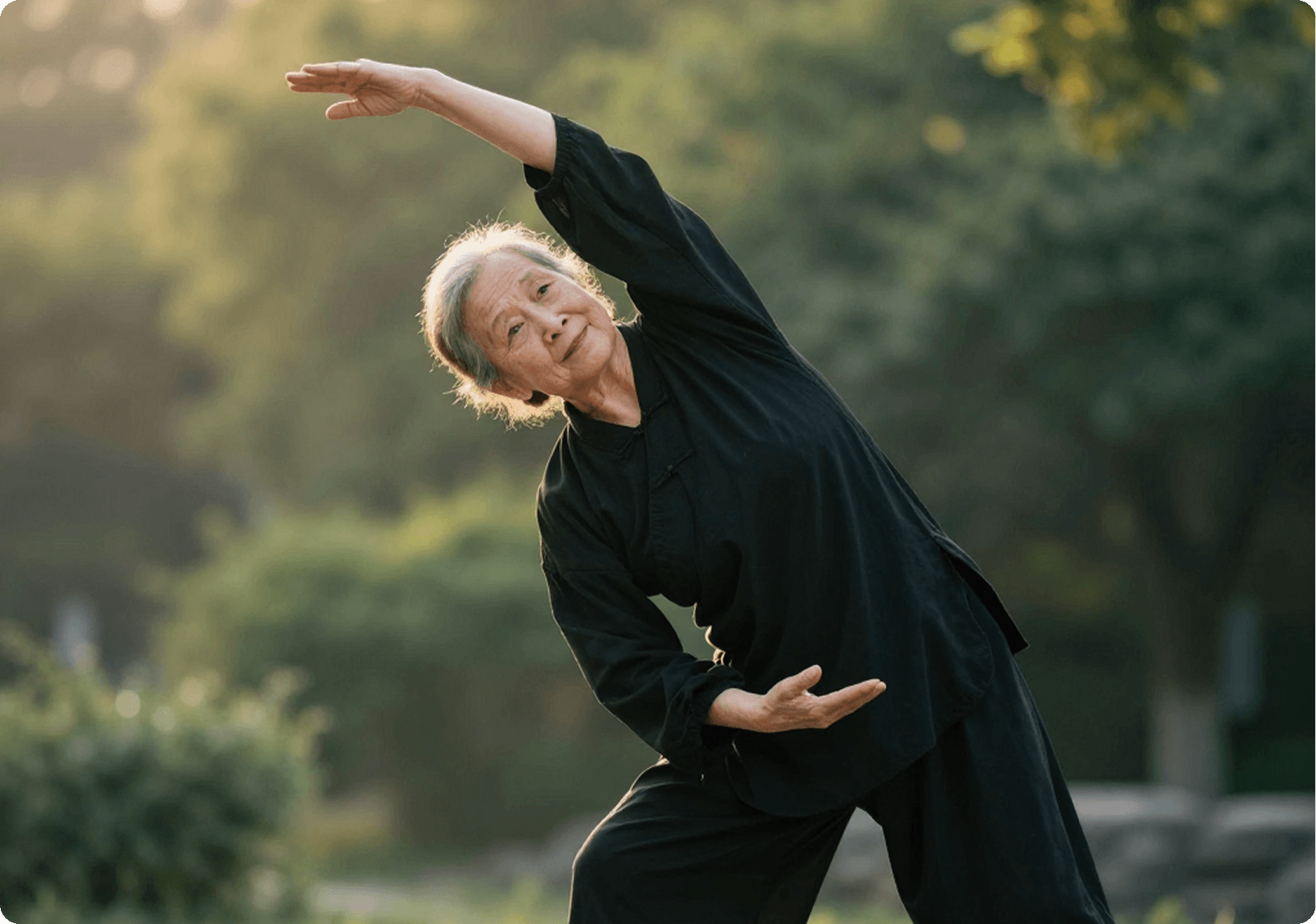
For elderly people and active seniors, Tai Chi keeps the body moving without putting heavy pressure on the joints. Gentle tai chi stretch movements help improve flexibility in the hips, shoulders, and back while reducing stiffness and tension. This supports smoother movement, better recovery after training, and more comfortable mobility during everyday activities and workouts.

Reduces Stress and Improves Mental Well-Being

Tai Chi helps calm the mind by combining slow movement with steady breathing. This makes it similar to meditation, where attention stays on the present moment instead of daily stress or distractions. The gentle rhythm of practice helps reduce tension in the body and makes it easier to relax mentally. For seniors, it also works as a simple way to reset after a busy day or intense physical activity, improving focus, mood, and overall mental balance.

Boosts Energy and Overall Mobility

With Tai Chi, everyday movements become more efficient and controlled, which makes them feel easier and less tiring. Regular tai chi exercises improve coordination and posture without causing fatigue. In an active lifestyle, this supports better mobility in sports, training sessions, and daily routines, while also helping the body recover faster after physical effort. Over time, tai chi training builds steady energy and improves how naturally and freely the body moves.
Begin your journey to balance
Experience the easiest way to track your progress and stay connected on the go. Download our app and enjoy full access anytime, anywhere.
Download app

Easy Tai Chi Routine for Seniors
(Step-by-Step)

Follow a simple guided video routine focused on the main Tai Chi movements. The practice emphasizes smooth flow, coordination, and control through a continuous sequence of basic forms. Move slowly, stay relaxed, and pay attention to how your body feels as you transition between positions. The goal is steady, mindful movement with natural breathing and balance throughout the entire routine.

Advanced Tai Chi Flow Exercises for Seniors

As you continue your Tai Chi practice, your body becomes more familiar with slow movement, balance, and controlled breathing. At this stage, Tai Chi for seniors can feel more natural and expressive, helping you build confidence in how you move and shift your weight. It’s less about learning something new and more about deepening control, awareness, and stability in motion.
This part of the practice is especially useful for maintaining long-term mobility, because it encourages the body to move with ease even in more complex patterns, while still staying gentle, safe, and joint-friendly.

Archer’s Bow Flow

A slow side-to-side flowing movement where the arms circle gently while the body shifts weight. It helps improve coordination and balance while keeping the body relaxed and fluid.

Moon Gazing Torsion

Lower into a soft squat and rotate your torso from side to side while extending arms upward. This exercise increases spinal mobility, body control, and flexibility through flowing rotational movement.

Lunge Arm Orbits

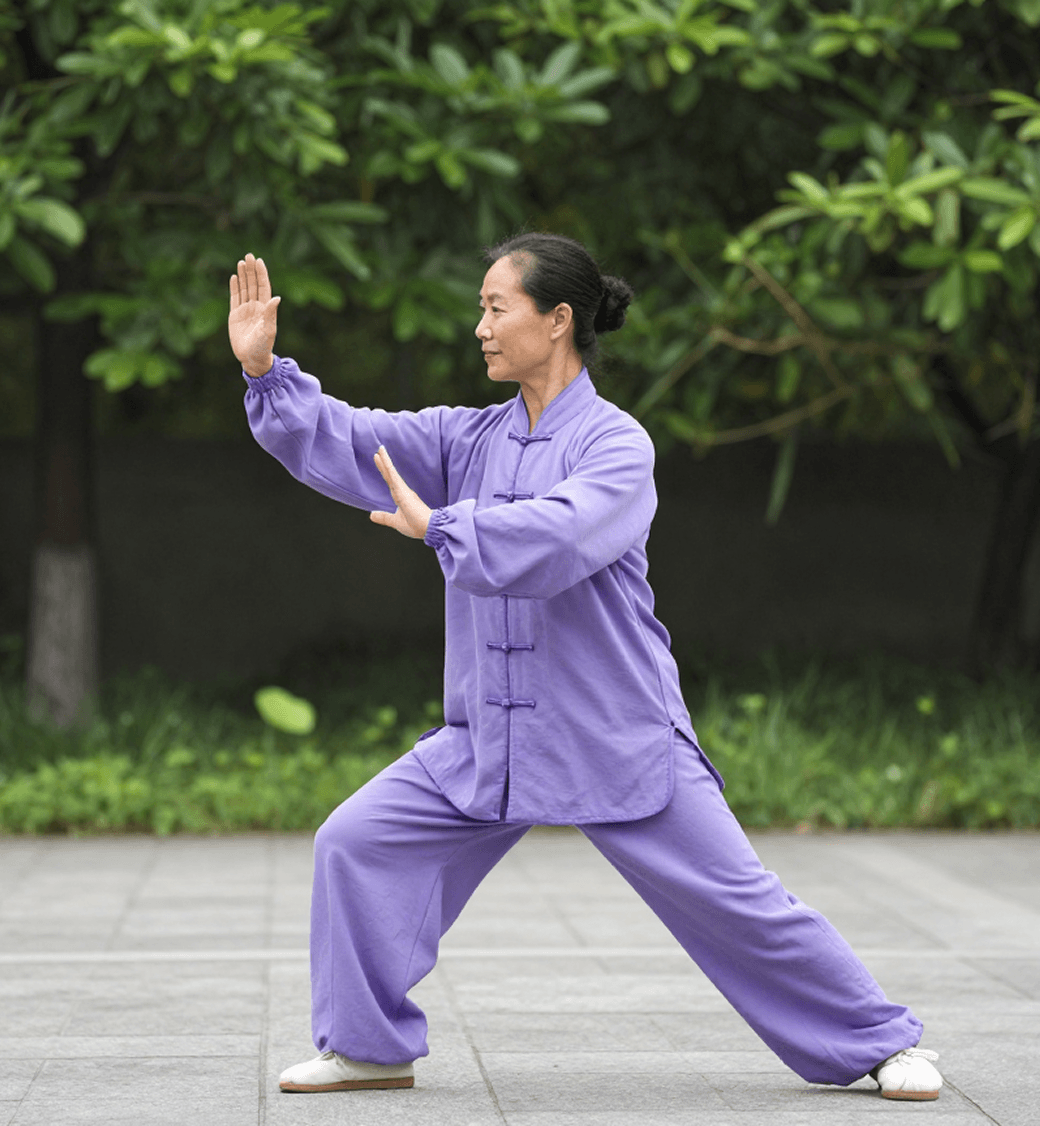
Step into a forward lunge while rotating your arms in large circular motions. This movement develops coordination between the upper and lower body while improving stability during directional changes.

Phoenix Upper Movement

Rotate your torso to one side, then open your arms wide like wings as you rise from a squat. This exercise encourages smooth full-body movement and helps improve balance, posture, and mobility.

Flowing Earth Torsion

Move through gentle torso rotations while lowering and rising from a soft squat. The flowing transitions help strengthen coordination, improve flexibility, and create a grounded, controlled feeling in the body.

How to Practice Tai Chi Safely
(Tips for Seniors)

Tai Chi is considered one of the safest forms of physical activity because it is low-impact, slow, and fully adaptable to different fitness levels. However, safety still depends on how you practice. The key idea is simple: move with control, avoid rushing, and build consistency gradually instead of trying to do too much at once.

Start Slow and Focus on Proper Form

When starting tai chi basics, form is more important than how many movements you know. Each step should feel stable, balanced, and intentional. Proper alignment of the spine, relaxed shoulders, and controlled weight shifts reduce unnecessary strain on joints and muscles. In tai chi training, even small mistakes in posture can affect balance, so slow practice helps your body learn movement patterns safely and correctly.

Choose a Comfortable and Safe Environment

A safe space makes a big difference in how effective your session is. Tai chi at home is a common choice because it allows full control over your environment. You need a flat surface, enough room to extend your arms, and minimal distractions. A tai chi program often recommends practicing in calm conditions because focus and stability improve when the body is not reacting to external stress like noise, uneven ground, or crowd movement.

Listen to Your Body and Avoid Overexertion

One of the key principles of tai chi for seniors is body awareness. Unlike high-intensity workouts, tai chi should never cause pain, dizziness, or sharp discomfort. The movements are designed to be gentle, and most tai chi exercises for elderly practitioners focus on range of motion rather than strength or endurance. If something feels too difficult, the correct approach is to reduce the depth of movement or slow the pace.

Stay Consistent with Short Daily Practice

Consistency has a stronger impact than duration in tai chi training. Even a short beginner tai chi workout of 10–15 minutes per day can improve balance, mobility, and coordination over time. Regular repetition helps the nervous system learn movement patterns more efficiently, making actions smoother and more natural.

FAQ: Tai Chi for Seniors

Is Tai Chi Safe for Seniors?

Yes, Tai Chi is generally safe because it uses slow, controlled movements that reduce strain on the body. It can be adapted to different fitness and mobility levels, including seated versions.

How Often Should Seniors Practice Tai Chi?

Most people benefit from practicing 3–5 times per week for 10–20 minutes. Regular short sessions are more effective than occasional long workouts.

Can Tai Chi Help with Balance and Fall Prevention?

Yes, Tai Chi improves balance by training slow weight shifts, posture control, and coordination. This directly supports fall prevention and better stability in daily movement.

Can Beginners Start Tai Chi at Home?

Yes, beginners can start at home using simple guided routines or videos. The key is to begin with basic movements and progress gradually.

What Is the Best Type of Tai Chi for Seniors?

Yang style is the most common starting point because of its slow and clear movements. Simplified tai chi forms are also widely used for easier learning.
Web version is coming soon ✨
Right now, the full experience is available in our iOS app. Start using the app today on your iPhone or iPad while we’re finishing the web version.
Scan the QR code to get started, or download the app using the buttons below.
Android version is coming soon 🤖
We’re working on bringing the full experience to Android. Be the first to know when it’s ready. Leave your email and we’ll notify you as soon as the app becomes available on Google Play.
No spam. Just one email when we launch.
Your message has been sent
Thanks for reaching out! Our team will get back to you as soon as possible.
Back to form
Oops! Something went wrong while submitting the form.