Blog
Tai Chi for Beginners

Tai Chi Walking for Beginners: Real Benefits for Balance, Stress & Mindfulness

8 min read
19 Feb, 2026
Reviewed by
Tai Chi app Team
This plan has been carefully reviewed and verified by our team to ensure it meets our quality standards. We check for clarity, structure, and consistency so you can follow each step with confidence.
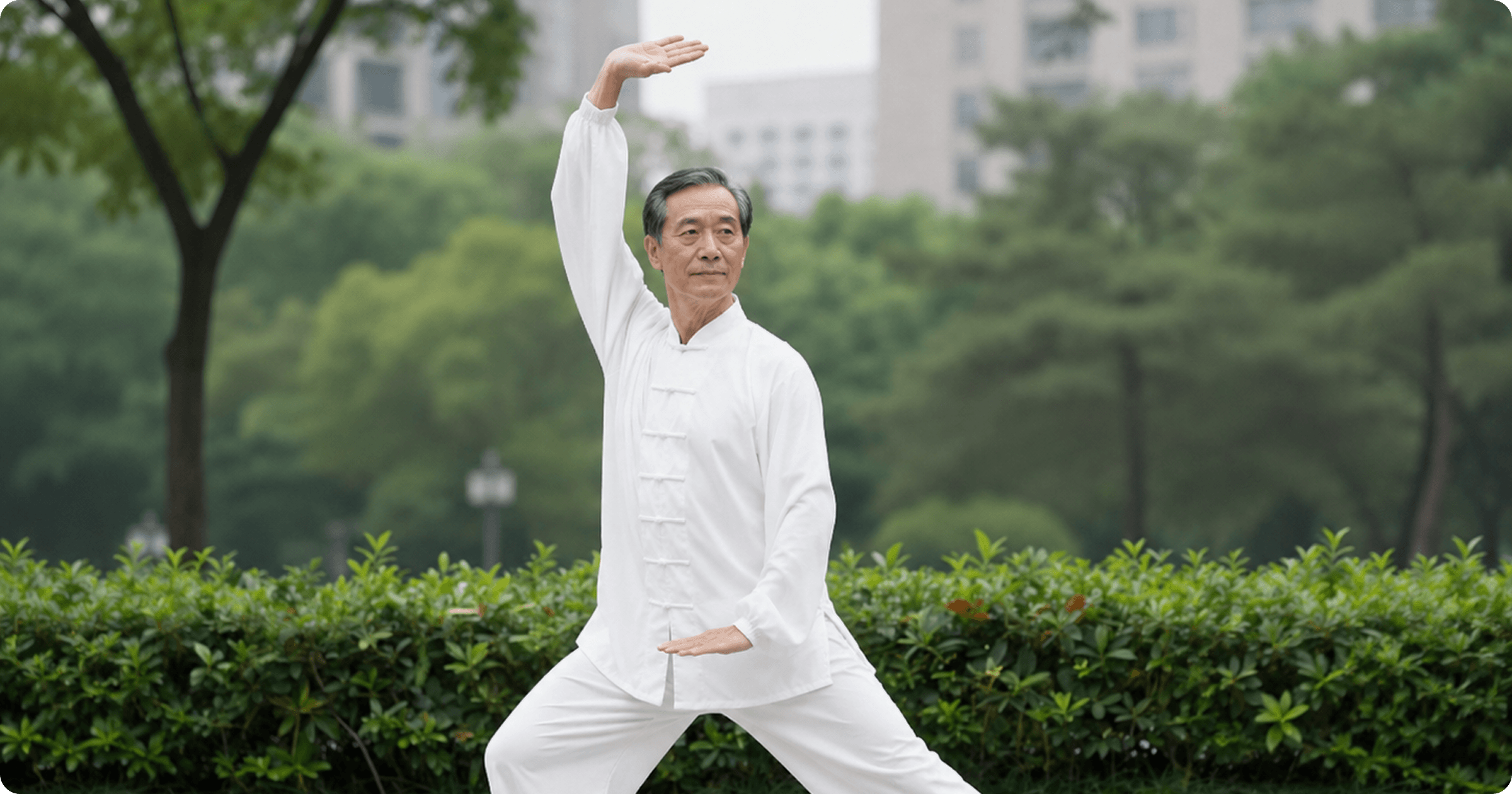
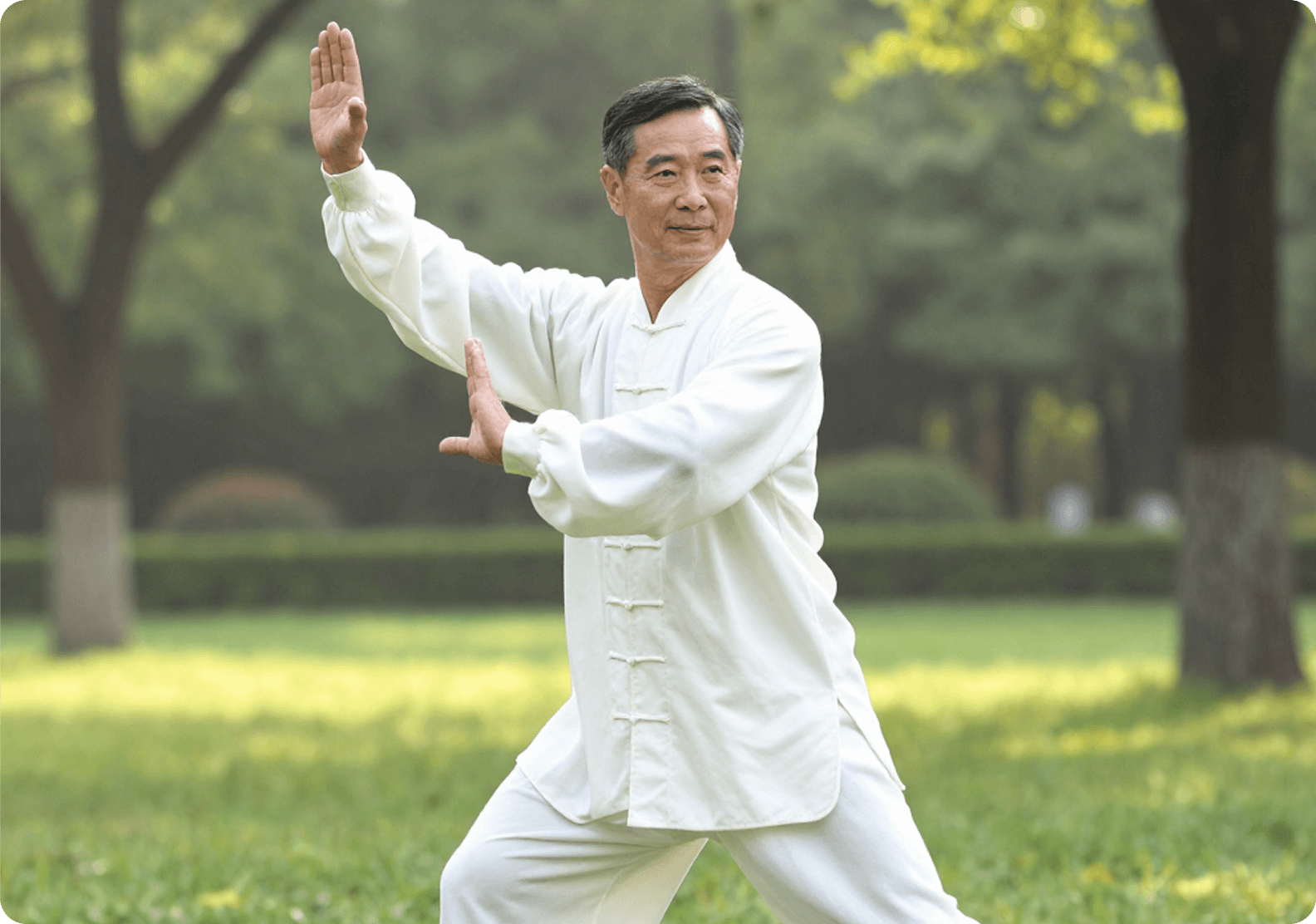
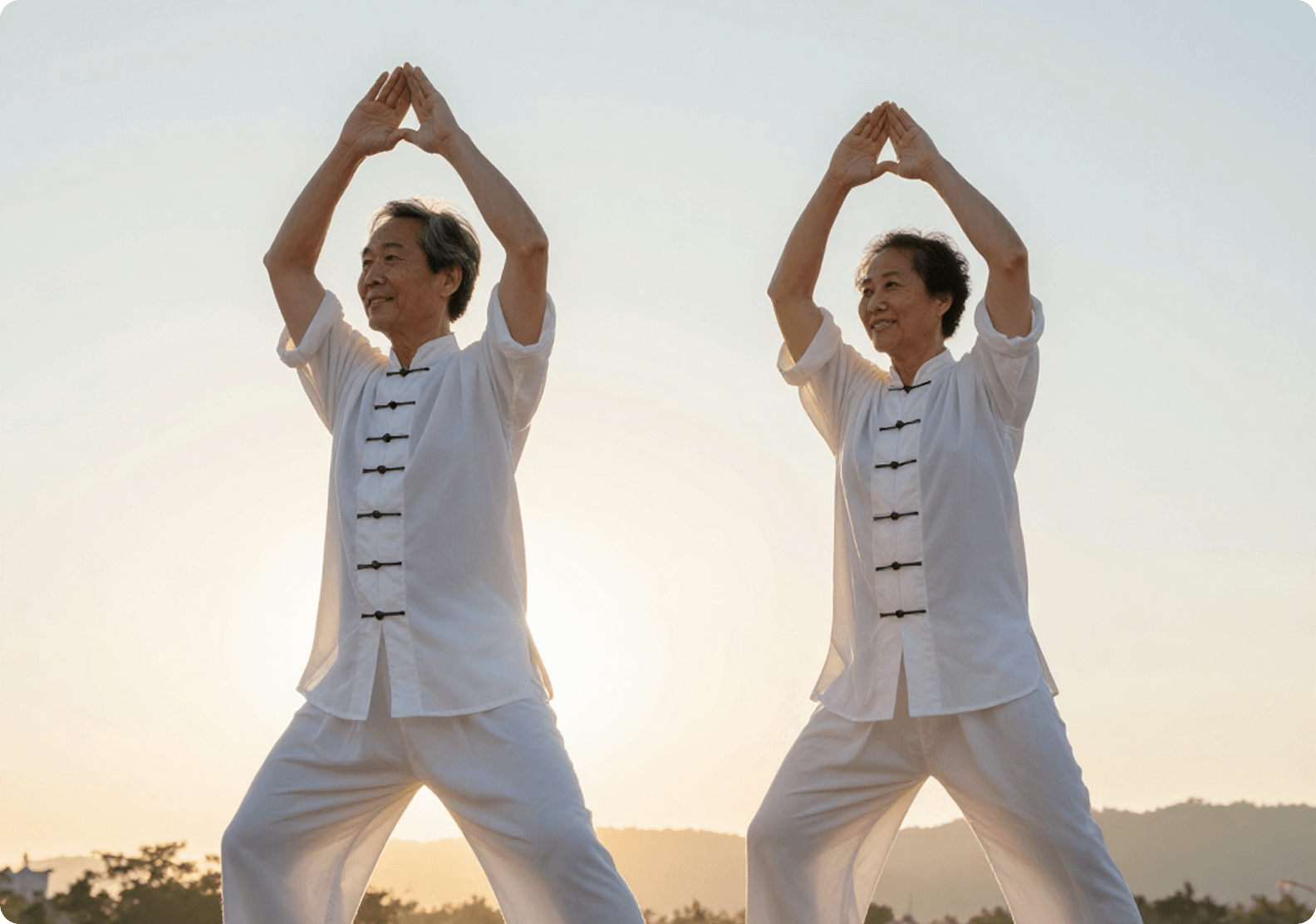
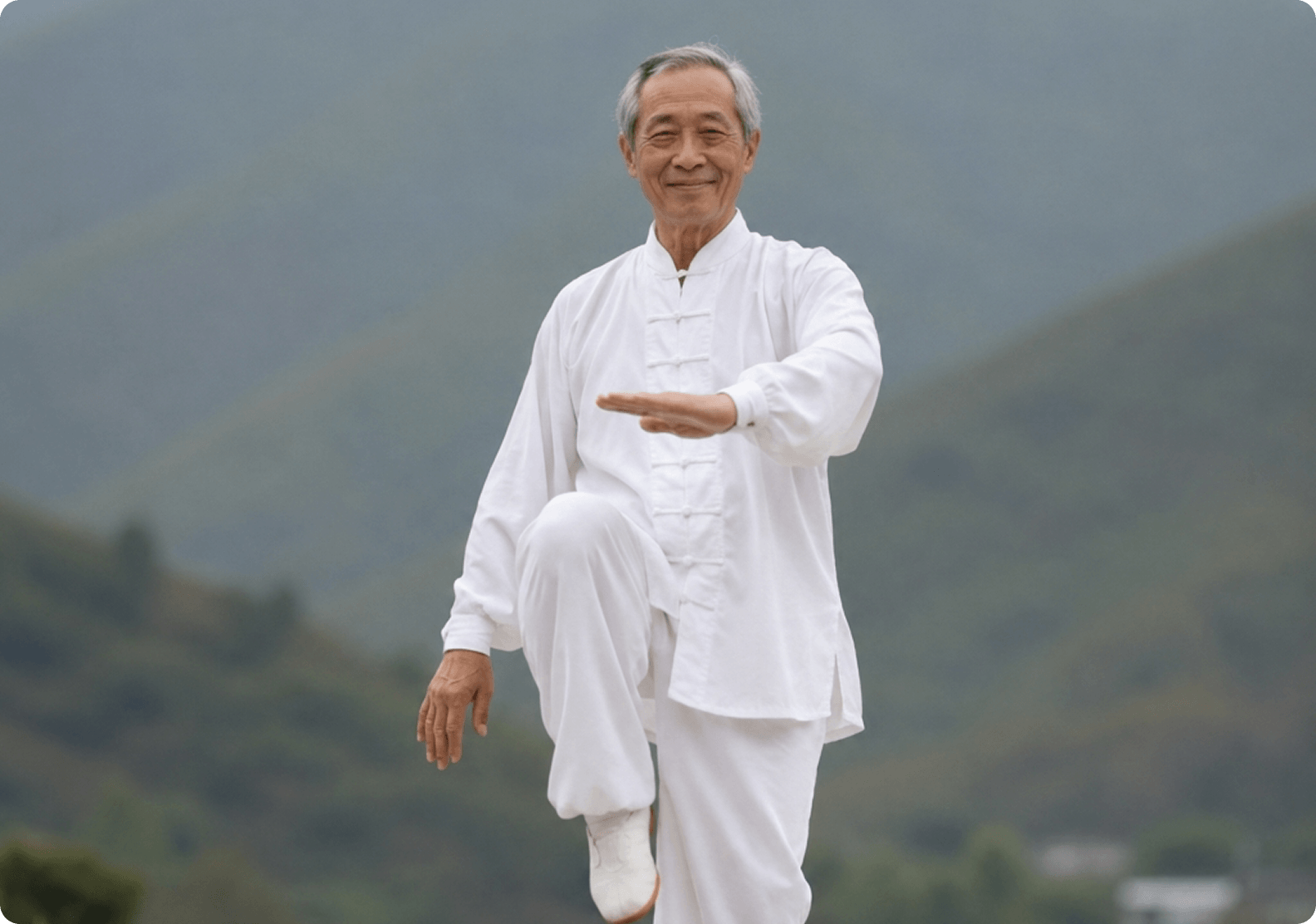
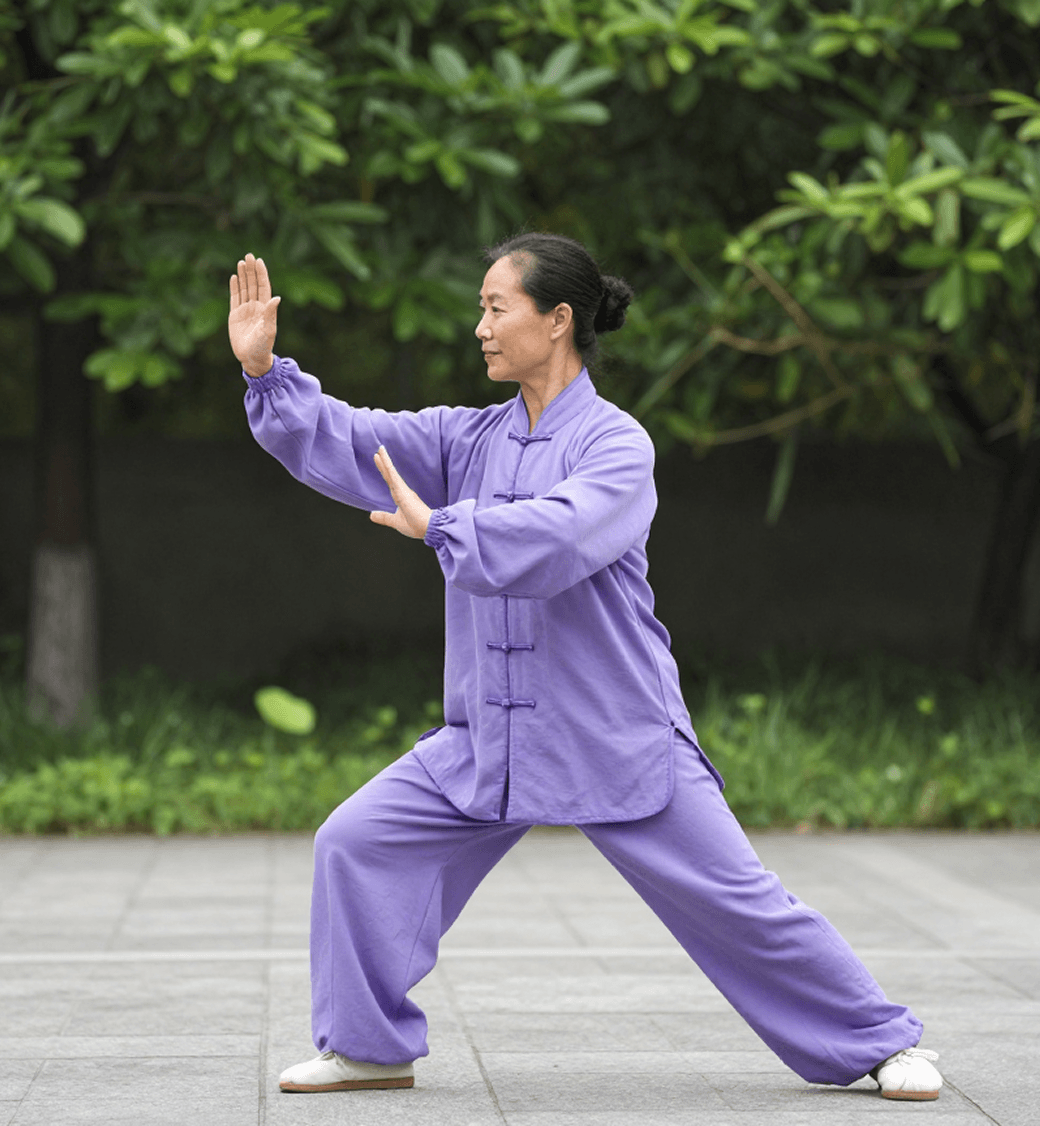
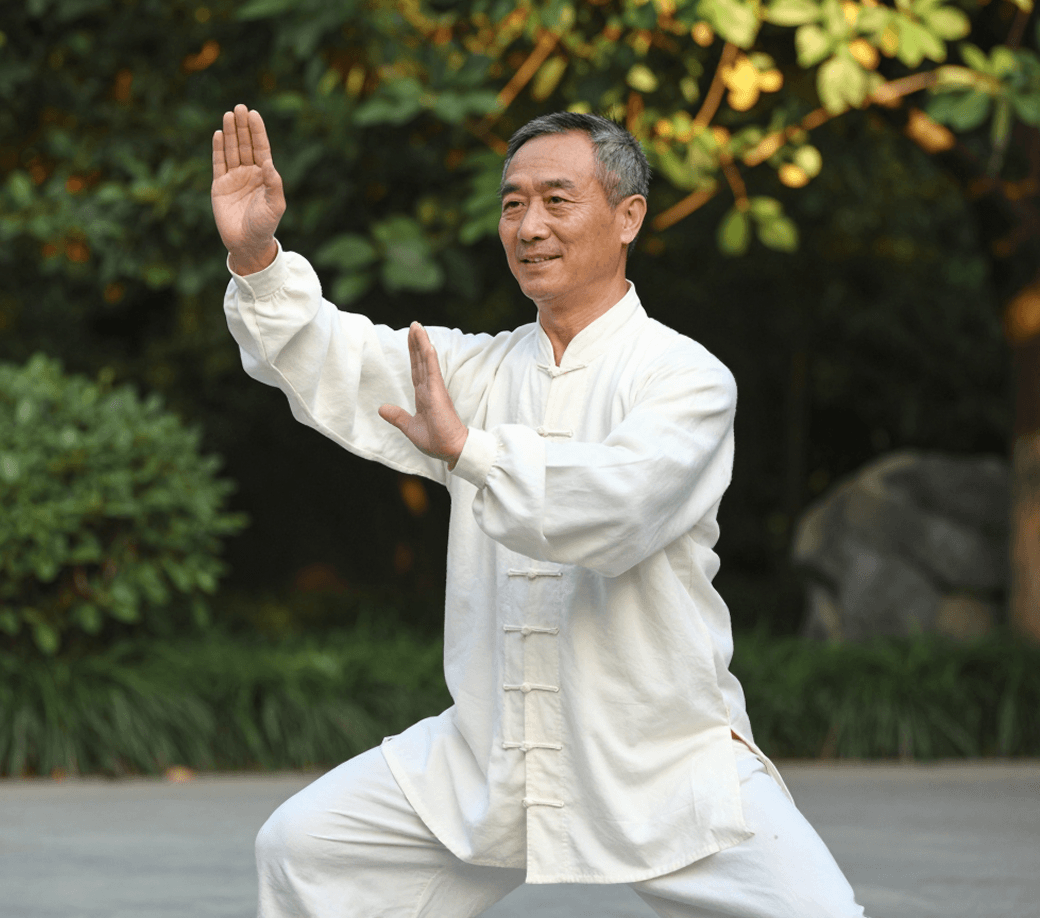
Tai Chi Walking is a simple but powerful way to bring more balance, calm, and control into your daily movement. It turns ordinary walking into a mindful practice where every step becomes intentional and connected to your breath and body awareness. Instead of rushing or thinking about the end result, you learn to stay present in the moment and move with more stability and ease. This makes Tai Chi Walking especially helpful for beginners who want to improve both physical balance and mental clarity in a gentle, natural way.

What Is Tai Chi Walking and How Does It Work?

Tai Chi Walking is a modified walking practice where each step is slow, intentional, and fully controlled. Unlike normal walking, you don’t rush forward, instead you focus on shifting weight smoothly from one leg to another while keeping your posture stable and your movements relaxed.
At its core, tai chi walking is about reconnecting movement with awareness. You pay attention to how your feet touch the ground, how your body shifts, and how your breath supports each step. This makes it one of the most accessible forms of tai chi basics for beginners, especially for building control and stability from the ground up.

Key Benefits of Tai Chi Walking for Balance and Health

Tai chi walking is widely used for improving balance because it trains the body to move with precision and control. Slow weight transfers help strengthen coordination between the legs and core, which directly improves stability in daily movement. Another important benefit is how it improves body awareness. As you walk slowly and intentionally, you start noticing small adjustments in posture and movement that normally go unnoticed. Over time, tai chi and balance training help reduce unsteady movement patterns and support more confident, stable walking in everyday life.
Begin your journey to balance
Experience the easiest way to track your progress and stay connected on the go. Download our app and enjoy full access anytime, anywhere.
Download app

How Tai Chi Walking Helps Reduce Stress and Improve Mindfulness

Tai Chi walking also works as a form of moving meditation. When you focus on each step and your breathing, your attention shifts away from stress and distractions. This creates a calmer mental state and helps reduce tension in the body.
Many people use tai chi walking as meditation because it keeps the mind anchored in the present moment. The combination of slow movement and steady breathing makes it easier to relax and reset mentally.

Tai Chi Walking for Beginners Exercises You Can Do at Home

Tai Chi walking can be practiced anywhere with enough space to take slow, controlled steps. These simple exercises help beginners build balance, coordination, and awareness step by step.

Alternating Leg Softening

Shift your weight onto one leg while slightly bending the supporting knee and extending the other leg outward, then smoothly alternate sides. It helps improve leg stability, joint mobility, and controlled weight transfer between both legs.

Cross-Step Elevation

Step one foot across and behind the other while lifting your arms overhead, then return to center and alternate sides in a steady rhythm. It develops coordination and balance while training smooth cross-body movement and postural control.

Four Step Knee Sequence

Lift one knee, lower it, then lift it again with a slight outward rotation before repeating the same pattern on the other leg in a steady four-part rhythm. It improves knee control, coordination, and balance by training precise, structured lower-body movement.

Tips to Practice Tai Chi Walking Safely and Effectively

Tai Chi Walking is most effective when practiced with patience, consistency, and attention to detail. Instead of focusing on speed or intensity, the goal is to build control, balance, and awareness through slow, mindful movement. A structured tai chi training approach helps you progress safely while avoiding unnecessary strain.

Start Slow and Focus on Proper Posture

At the beginning, always move slower than you think you need to. This gives your body time to understand each position and transition. Keep your spine straight, your shoulders relaxed, and your knees slightly soft so you don’t create tension in your joints. Good posture is the base of Tai Chi Walking, because it helps you stay balanced and makes every movement feel lighter and more natural.

Choose a Safe and Comfortable Environment

It is important to practice in a room where you feel safe and free to move. A flat surface with enough space to step in different directions is ideal, so you don’t need to worry about obstacles or slipping. Many beginners find it easier to start at home, where the environment is familiar and quiet. This helps you focus fully on your movements without distractions.

Coordinate Breath with Each Step

Your breathing should always move together with your body. Try to inhale when you prepare or rise, and exhale when you step, turn, or sink down. This simple rhythm helps your movement feel smoother and more natural. Over time, it also calms your mind, reduces stress, and turns your practice into a kind of moving meditation where breath and motion work as one.

Practice Daily in Short Sessions

It is better to practice a little every day than a lot only once in a while. Even 10–15 minutes per day is enough to build real progress if you stay consistent. Short daily sessions help your body remember the movements more easily and reduce fatigue. With time, your Tai Chi Walking practice will feel more automatic, relaxed, and stable without forcing anything.

FAQ: Tai Chi for Beginners

What Is Tai Chi Walking and How Is It Different from Regular Walking?

Tai Chi walking is a slow, controlled form of walking focused on balance, posture, and awareness. Unlike regular walking, every step is intentional and performed with full attention to movement and stability.

How Often Should Beginners Practice Tai Chi Walking?

Beginners can practice 3–5 times per week for 10–20 minutes. Regular short practice helps build stability and coordination more effectively than long, occasional sessions.

Can Tai Chi Walking Improve Balance?

Yes, it directly trains balance by improving weight shifting, posture control, and coordination during movement. This helps the body stay more stable in everyday activities.

Is Tai Chi Walking Good for Seniors?

Yes, Tai Chi Walking is a good option for seniors because it focuses on slow, controlled steps that are easy to adjust to different mobility levels. It helps improve stability, coordination, and confidence while moving.

Do I Need Any Equipment for Tai Chi Walking?

No equipment is needed. Comfortable shoes and a safe space to walk are enough to start practicing at home.
Web version is coming soon ✨
Right now, the full experience is available in our iOS app. Start using the app today on your iPhone or iPad while we’re finishing the web version.
Scan the QR code to get started, or download the app using the buttons below.
Android version is coming soon 🤖
We’re working on bringing the full experience to Android. Be the first to know when it’s ready. Leave your email and we’ll notify you as soon as the app becomes available on Google Play.
No spam. Just one email when we launch.
Your message has been sent
Thanks for reaching out! Our team will get back to you as soon as possible.
Back to form
Oops! Something went wrong while submitting the form.